
Balancing LLMs and Accuracy
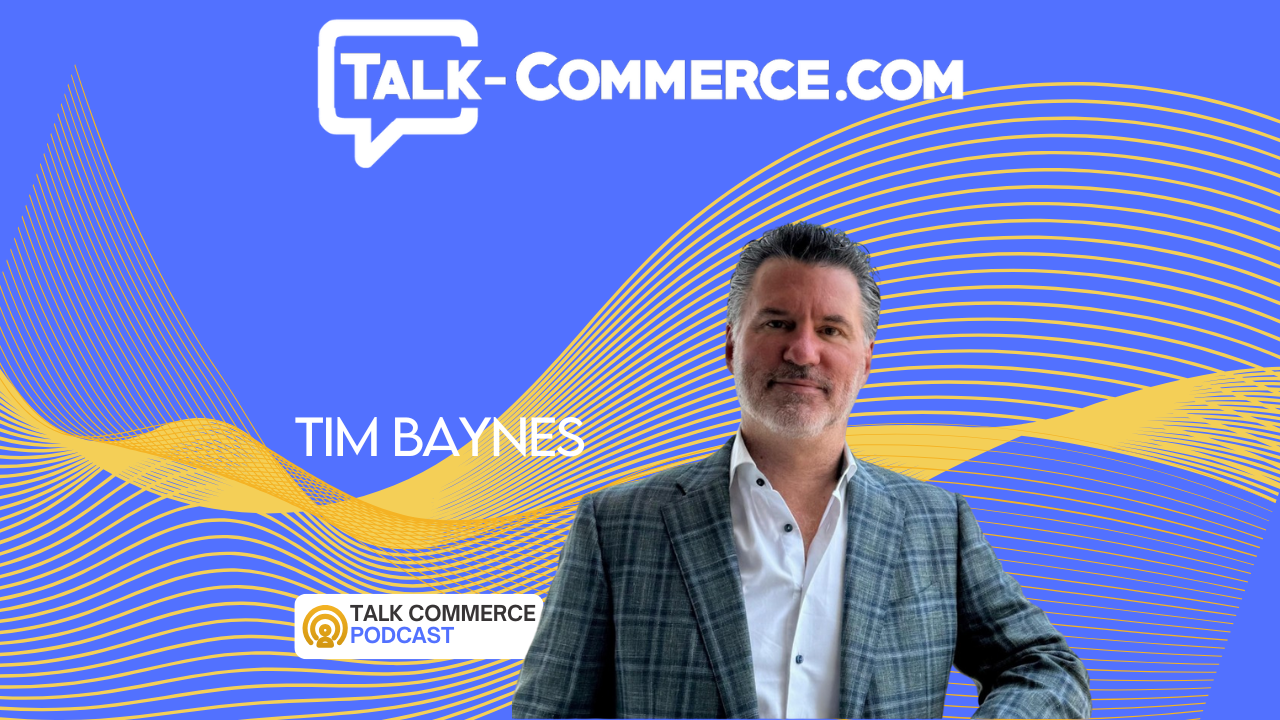
Welcome to another insightful episode of Talk Commerce with host Brent Peterson. In this session, Brent connects with Tim Baynes, the Founder and CEO of Compatio. They discuss a critical challenge facing many B2B organizations today: handling complex product configurations in a digital environment. This episode examines the evolution of Configure, Price, Quote (CPQ) systems, the specific hurdles of multi-manufacturer solutions, and how Compatio utilizes a unique blend of artificial intelligence to ensure accuracy while improving the buying experience for customers.
Key Takeaways
- Traditional CPQ systems primarily serve single manufacturers with build-to-order scenarios, often leaving a gap for distributors selling complex solutions involving multiple brands.
- While Large Language Models (LLMs) offer impressive generative capabilities, they lack the necessary accuracy for industrial configuration where incorrect specifications regarding voltage or compatibility can be dangerous.
- Compatio utilizes what Baynes calls “deterministic AI,” combining human-encoded symbolic logic to ensure absolute technical accuracy with machine learning for optimized recommendations based on sales data.
- The B2B sector currently faces significant pressures driving the need for advanced configuration tools: the push for self-service digitalization, a severe drain of deep institutional product expertise due to retirements, and rapid product turnover rates.
- Effective modern guided selling tools must map user requirements, such as region or specific application, to technical solutions before allowing configuration to occur.
About Tim Baynes
Tim Baynes possesses decades of specialized experience in the field of product configuration. Since entering the sector in 1996, Tim has architected and implemented CPQ systems for global organizations across various heavy industries. His background includes significant roles at KPMG, Oracle, and serving as a Research Director covering CPQ at Gartner. Recognizing a persistent market gap for managing complex solutions consisting of products from multiple manufacturers, Tim founded Compatio to address these intricate configuration challenges that traditional systems often overlook.
Episode Summary
Brent begins the discussion by seeking clarity on the definition of configuration in modern e-commerce. Baynes explains that while many platforms handle simple variants like t-shirt sizes, real complexity arises when combining multiple products that must function together, such as the components of a bicycle or industrial HVAC systems. He points out that most legacy CPQ systems focus on “build-to-order” scenarios for single manufacturers, failing to address the needs of distributors who compile solutions from various brands. This specific market gap formed the basis for Compatio’s creation.
Transitioning to the technological underpinnings, Baynes offers a historical perspective, noting that early configurators from the 1980s were actually successful forms of AI known as expert systems based on symbolic logic. Brent questions how modern AI, specifically LLMs, fits into this landscape. Baynes argues that while powerful, generative models possess a critical flaw for industrial applications: they can fabricate information. For high-stakes items like high-voltage fuses, accuracy is paramount. Baynes states, “You can’t make it up… you gotta get the right fuse. And that’s not something you’re gonna wanna go ask ChatGPT about.”
Compatio addresses this by merging that foundational symbolic logic with modern machine learning to provide accurate yet optimized recommendations. The conversation concludes with Baynes outlining the current market drivers. He identifies a confluence of factors pushing B2B companies toward these solutions: the drive for self-service digital commerce, rapid product innovation, and a significant “crisis” regarding the loss of deep product expertise as veteran employees retire.
Final Thoughts: This episode illuminates the critical intersection of traditional business logic and modern artificial intelligence. For B2B organizations dealing with complex products, relying solely on generative AI is insufficient due to the absolute need for technical accuracy. By combining deterministic rules with machine learning, companies can digitize institutional knowledge, address the current expertise shortage, and provide effective guided selling experiences. Success in this sector depends on ensuring your strategy for AI in configuration actually computes.
This has been produced in cooperation with Content Cucumber
Follow Talk Commerce on your favorite platform:
- YouTube: https://www.youtube.com/@talkcommerce
- Bluesky: https://bsky.app/profile/talkcommerce.bsky.social
- Apple Podcasts: https://podcasts.apple.com/us/podcast/talk-commerce/id1561204656
- Spotify: https://open.spotify.com/show/7Alx6N7ERrPEXIBb41FZ1n
- Twitter: @talkingcommerce
- LinkedIn: https://www.linkedin.com/company/talk-commerce
- Facebook: https://www.facebook.com/talkingcommerce
- Website: https://talk-commerce.com/