
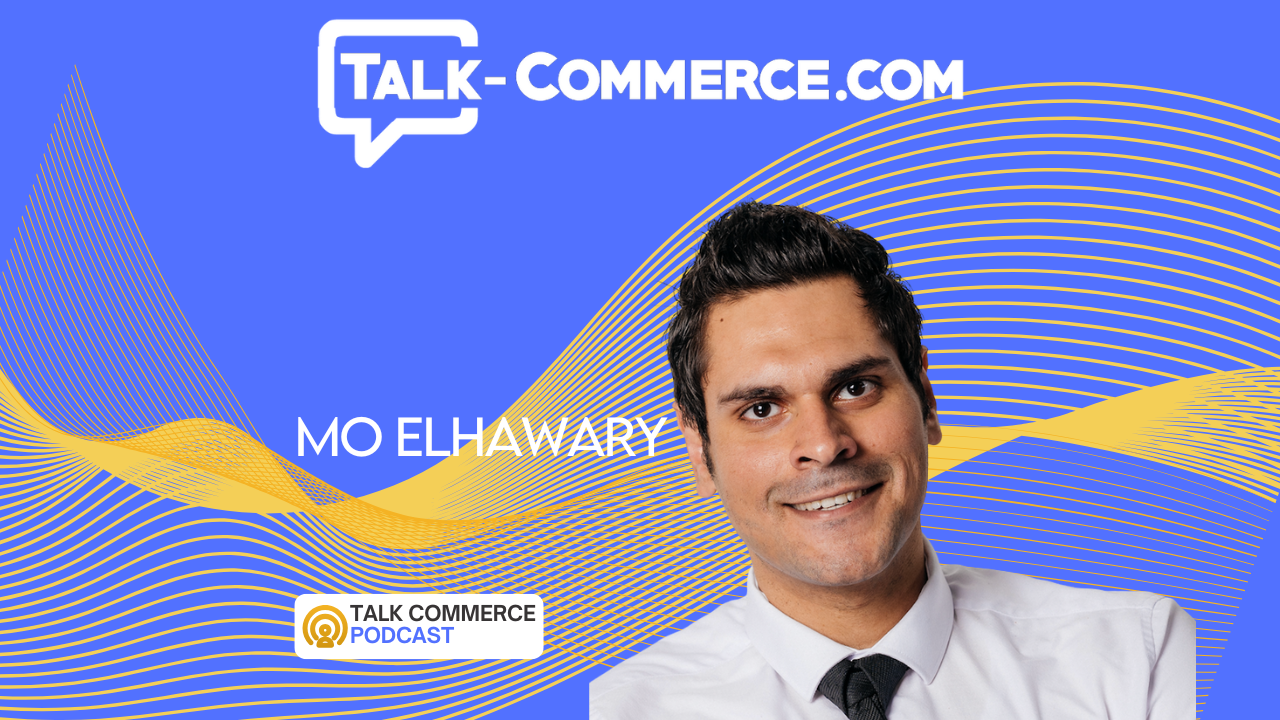
Reverse Engineering Success: Creative Marketing Strategy with Mo ElHawary
Talk Commerce host Brent Peterson sits down with Mo Elhawary, a senior creative strategist who’s spent over eight years helping brands reach eight and nine-figure revenue marks. This episode tackles the often-misunderstood role of creative strategy in direct-to-consumer businesses. Mo shares his approach to finding untapped customer segments without increasing ad spend or launching new product lines. The conversation covers everything from the five whys methodology to holiday season preparation strategies that can transform how brands connect with their audiences.
Key Takeaways
- Creative strategy extends beyond duplicating winning ads—it’s about challenging what already works to discover new opportunities
- The five whys model reveals deep customer motivations that surface-level research misses
- Founders should validate products against problems they personally experience before launching
- The 70-20-10 framework provides a practical approach for holiday season planning
- Understanding why customers need products matters more than explaining what products do
- Customer personas should drive product development, not the other way around
- Early holiday promotions work because customers understand they’ll receive similar deals regardless of timing
- Removing elements from products can sometimes create more value than adding features
About Mo Elhawary
Mo brings a unique perspective to creative strategy, having started his career as a pharmacist in Egypt before transitioning into business and marketing. His background in pharmaceuticals provides him with an analytical mindset that he applies to understanding customer psychology and behavior patterns. Mo has worked with notable brands including Huel, Organifi, Dr. Squatch, and Livegood, helping them identify and target customer segments their competitors overlook. He currently operates from Manchester, where he spends his days producing content, attending strategy meetings, and analyzing metrics that most ecommerce brands ignore.
Episode Summary
The conversation begins with Mo explaining his daily responsibilities, which range from delivering creative briefs to working with content creators and analyzing business metrics. However, what sets his approach apart is his focus on reverse engineering customer personas. Rather than accepting surface-level motivations, he digs deeper to understand the core reasons behind purchasing decisions.
Mo introduces the five whys model through a weight loss product example. Most brands focus on product superiority—better ingredients, more testimonials, competitive comparisons. Mo’s approach asks why customers want to lose weight in the first place. The answer might seem obvious at first—to look better. But asking why again reveals deeper motivations. Why do they want to look better? Perhaps to feel attractive to their partners. Why does that matter? Maybe their relationships have suffered. This process continues until the real motivation surfaces.
“Once I find that, then I can understand the core reason why people do need this product,” Mo explains. This methodology led him to help one brand target women aged 45-55 who’d experienced weight gain after having children. These women felt their partners had become distant. They’d tried expensive solutions they couldn’t sustain and cheap alternatives that didn’t work. The brand’s messaging shifted from weight loss benefits to relationship restoration and personal empowerment.
The conversation moves to product development, where Brent asks about creating customer personas. Mo’s response challenges conventional wisdom. “You should never come up with the product without knowing who you’re going to target,” he states firmly. Too many entrepreneurs start with product ideas and then search for customers. Mo advocates for the reverse—identify a problem you personally face, one you’d solve for yourself regardless of whether anyone else buys the solution.
This principle connects to the SIT Design Thinking model, which asks whether products need additions, subtractions, multiplications, or other modifications to serve customers better. Mo uses the evolution of mops as an example. Traditional cleaning required a mop, bucket, and water. Newer versions eliminated the bucket and water entirely, using disposable sheets instead. The product improved by removing elements rather than adding them.
When discussing validation, Mo emphasizes understanding customer awareness levels. Some customers know they have a problem and actively seek solutions. Others don’t recognize their problem exists. Steve Jobs succeeded with the iPhone partly because he believed in solving a problem most people didn’t know they had. “People didn’t mind having phones with buttons,” Mo notes. Jobs created a solution to an unrecognized problem because he personally experienced that problem.
The holiday season strategy reveals Mo’s practical side. He recommends a 70-20-10 framework. Seventy percent of focus and budget should support what’s already working—proven products and strategies. Twenty percent should clear inventory that’s been sitting on shelves. The remaining ten percent can test new concepts, but only if it doesn’t exceed that budget allocation.
“So many brands get distracted and they want to do a million things at the same time during this holiday season and they miss it,” Mo warns. He notes that every day during peak season represents substantial revenue opportunity, making focus critical. He also encourages brands to consider pre-holiday promotions, as customers have learned they’ll receive similar deals whether they buy early or wait.
Brent brings up Amazon’s strategy of creating multiple Prime Days throughout the year, questioning whether brands risk devaluing their offers. Mo acknowledges this concern but suggests the key lies in authenticity—discounts should represent genuine value rather than inflated regular prices marked down.
The episode concludes with Mo’s recommendation to study Huel’s founder story. The founder stepped down from CEO to CMO after recognizing his strengths lay in marketing rather than executive management. This decision exemplifies Mo’s broader philosophy about playing to strengths and building businesses around personal passion rather than forcing yourself into uncomfortable roles.
Throughout the conversation, Mo emphasizes that creative strategy isn’t about working harder or spending more—it’s about understanding customers at a level competitors don’t reach. His approach requires asking uncomfortable questions, challenging assumptions, and digging past surface-level answers until real motivations emerge. This depth of understanding allows brands to create messaging that resonates emotionally while maintaining logical product benefits.
Mo Elhawary demonstrates that effective creative strategy starts with understanding human psychology rather than product features. His five whys model and design thinking framework provide practical tools for brands seeking growth without proportional increases in ad spend. The 70-20-10 holiday framework offers a roadmap for maintaining focus during peak season chaos. Perhaps most valuable is his insistence that products should solve problems founders personally experience—authenticity in business often starts with genuine need.
Final Thoughts
The question remains: are you crafting strategies that merely describe what your products do, or are you creating connections based on why customers truly need them? Because in the world of DTC, that strategic difference might just be what separates sustainable growth from stagnant sameness.
Follow Talk Commerce on your favorite platform:
- YouTube: https://www.youtube.com/@talkcommerce
- Bluesky: https://bsky.app/profile/talkcommerce.bsky.social
- Apple Podcasts: https://podcasts.apple.com/us/podcast/talk-commerce/id1561204656
- Spotify: https://open.spotify.com/show/7Alx6N7ERrPEXIBb41FZ1n
- Twitter: @talkingcommerce
- LinkedIn: https://www.linkedin.com/company/talk-commerce
- Facebook: https://www.facebook.com/talkingcommerce
- Website: https://talk-commerce.com/