
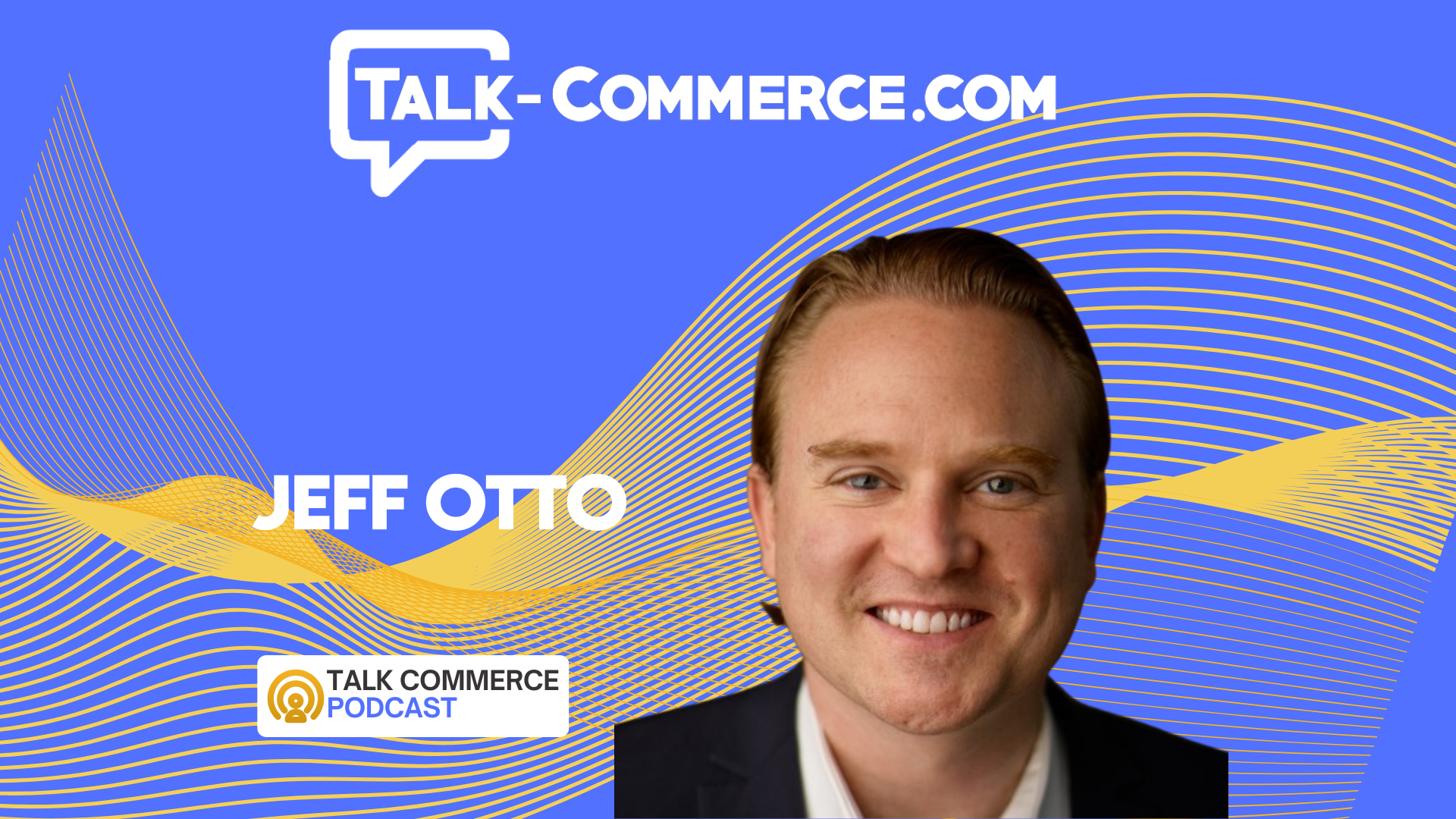
Protecting Profitability in the Age of AI Shopping Agents with Jeff Otto of Riskified
Welcome to another insightful episode of Talk Commerce, where host Brent Peterson sits down with Jeff Otto, the Chief Marketing Officer at Riskified. In this conversation, Jeff shares how merchants can leverage artificial intelligence and machine learning to combat fraud, protect their bottom line, and prepare for the rapidly emerging world of agentic commerce. From payment fraud prevention to post-checkout abuse, Jeff walks us through the evolving landscape of ecommerce protection and offers a fascinating look at how identity graph technology is reshaping the fight against bad actors.
Key Takeaways
- AI beats rules-based systems. Machine learning models produce better probabilistic decisions than the traditional “if-then-else” fraud detection engines merchants relied on for years.
- False positives hurt more than fraud. Falsely accusing a legitimate customer of being a fraudster is one of the worst mistakes a merchant can make. The guiding principle is “first, do no harm.”
- Post-checkout abuse is massive. According to the National Retail Federation, returns fraud and abuse represents a $76 billion annual problem.
- Identity graph technology is a game-changer. By resolving the human behind fake accounts, burner phones, and fake emails, merchants can stop repeat offenders in their tracks.
- Cross-merchant intelligence provides an edge. When a bad actor gets caught at one merchant, that intelligence helps protect other merchants in the network.
- Agentic commerce needs guardrails. Early testing of agentic commerce protocols revealed significant fraud vulnerabilities that the industry needs to address.
- Merchant-owned AI shopping assistants win. Building agentic experiences on your own storefront preserves brand identity, data visibility, and leverages existing fraud tech investments.
- The cost of fraud is an iceberg. Chargebacks are just the visible part. Reverse logistics, customer service costs, and brand reputation damage lurk beneath the surface.
About Jeff Otto
Jeff Otto serves as the Chief Marketing Officer at Riskified, a role he’s held for over three years. His work centers on sharing success stories of merchants who’ve grown their GMV while safeguarding profitability. Jeff has deep expertise in how artificial intelligence can be applied across the entire consumer engagement surface area, protecting merchants from fraudsters and abusers who threaten their margins.
Episode Summary
Jeff kicks things off by sharing Riskified’s origin story. About a dozen years ago, ecommerce merchants were drowning in payment fraud, relying on clunky rules-based tools. Riskified changed the game by applying machine learning to fraud detection, and today the company decisions roughly half a trillion dollars of GMV every couple of years, delivering big profitability wins for merchants worldwide.
Brent asks about the tricky balance between blocking fraud and avoiding false positives. Jeff explains it’s not just about stopping bad transactions. It’s also about approving more good ones and not wrongly accusing legitimate shoppers. As he puts it, the goal is creating “more economic success in e-commerce.”
Next, the conversation shifts to post-checkout abuse, which Jeff says many merchants underestimate. Picture this: fraudsters buy something, then call weeks later claiming it never arrived. Or they ship back cans of tuna instead of the actual product. To fight this, Riskified spent five years building an identity graph that can resolve the human behind multiple fake accounts, emails, and burner phones. Jeff uses a fun “Better Call Saul” analogy to explain how the tech avoids penalizing innocent household members like Kim, who lives with Jimmy McGill but isn’t a bad actor herself.
Things get really interesting when the topic turns to agentic commerce. Jeff shares a cautionary tale about when OpenAI and Stripe launched their Agentic Commerce Protocol last fall. Riskified’s team red-teamed it with obviously bad orders, and they sailed right through. When they tested again in March, same result, just a week before OpenAI decided to step back and rethink things.
Jeff makes a strong case for merchant-owned agentic experiences, pointing to Amazon’s Rufus and “Ask Macy’s” as examples that boost conversion while keeping brand identity and fraud protection intact. He and Brent also chat about how contact center agents get caught in the crossfire, measured on customer satisfaction while fraudsters socially engineer them into handing out refunds. Providing identity signals at that critical moment helps agents make smarter calls.
Wrapping up, Jeff plugs Riskified’s Policy Protect product, which tackles refund abuse, return fraud, and promotion exploitation, saving certain merchants seven-to-eight figures annually.
Final Thoughts
This episode drives home a powerful truth: in ecommerce, protecting profitability isn’t just about stopping fraud at the checkout. It’s about understanding the full lifecycle of customer interactions, from browsing through post-purchase support, and applying intelligent identity resolution at every touchpoint. As agentic commerce accelerates, merchants who invest in their own AI-powered experiences while leveraging sophisticated fraud protection will come out ahead. So the question becomes, are you willing to take a risk on outdated tools, or are you ready to get modified for the future of protected commerce?
This has been produced in cooperation with Content Cucumber
https://www.contentcucumber.com/
Follow Talk Commerce on your favorite platform:
- YouTube: https://www.youtube.com/@talkcommerce
- Bluesky: https://bsky.app/profile/talkcommerce.bsky.social
- Apple Podcasts: https://podcasts.apple.com/us/podcast/talk-commerce/id1561204656
- Spotify: https://open.spotify.com/show/7Alx6N7ERrPEXIBb41FZ1n
- Twitter: @talkingcommerce
- LinkedIn: https://www.linkedin.com/company/talk-commerce
- Facebook: https://www.facebook.com/talkingcommerce
- Website: https://talk-commerce.com/