
Digital strategies meet real-world implementation
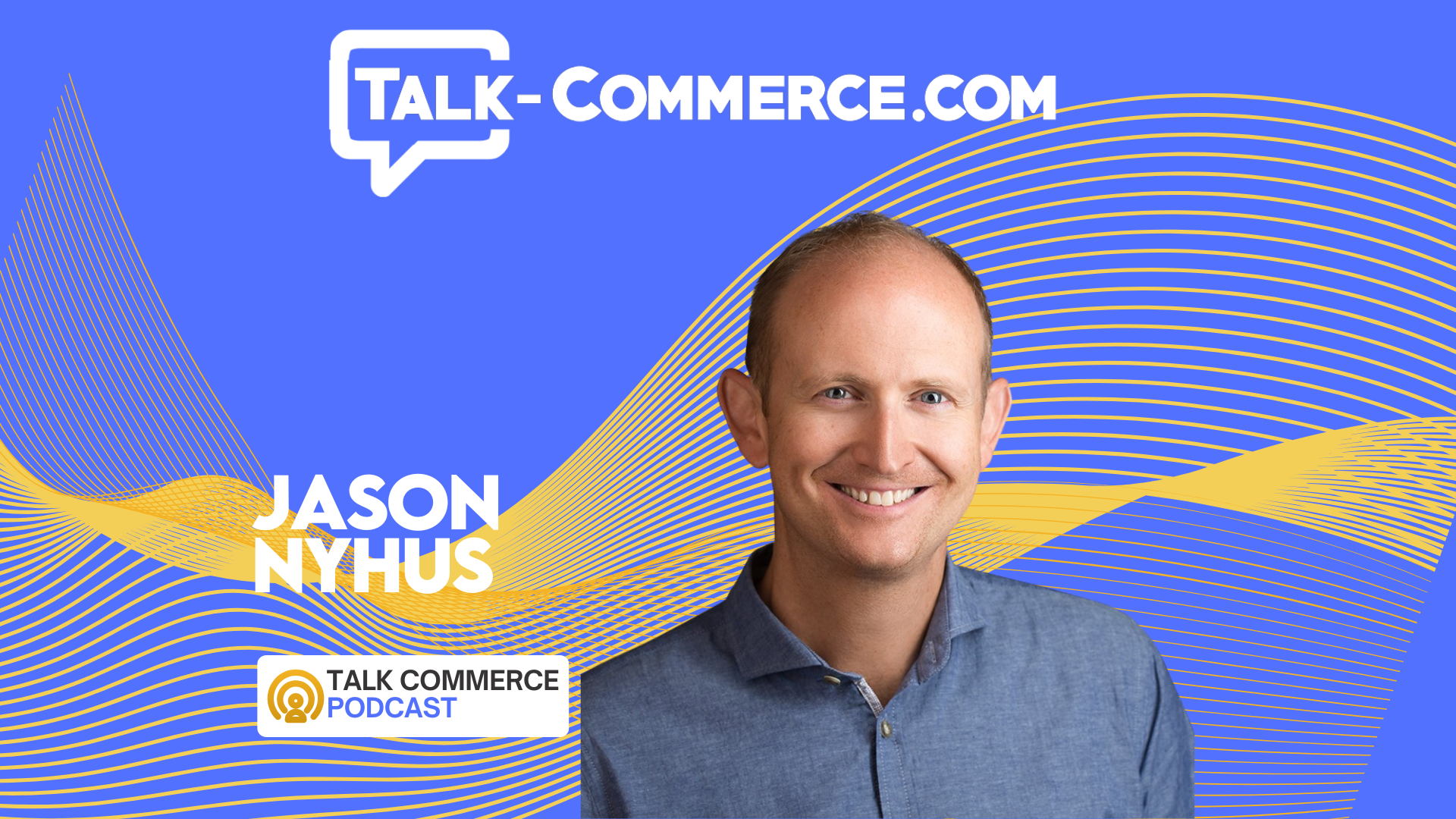
Brent Peterson sits down with Jason Nyhus from Shopware to discuss the rapidly shifting landscape of enterprise transactions. It’s a conversation that doesn’t shy away from the hard operational truths that merchants face today. They address why platform lock-in is risky, how investor expectations are rising, and how artificial intelligence optimizes workflows.
Get the Shopware B2B Report here: https://contentcucumber.com/b2b-report
About Jason Nyhus
Jason serves as the General Manager at Shopware, a platform that helps merchants handle complex digital transactions. With a deep background in operational leadership and software development, he specializes in helping brands navigate difficult technical transitions. He doesn’t just manage teams; he drives technology forward by providing scalable solutions for companies facing complex retail and business-to-business environments.
Key Takeaways
- Relying on agency integrators rather than software sales representatives provides an objective view of platform capabilities.
- Private equity investors increasingly demand operational standardization and high efficiency from their portfolio brands.
- Regulated industries face substantial business continuity risks on monolithic software-as-a-service systems that unilaterally restrict specific categories.
- Modernization focuses on empowering physical sales teams with digital tools instead of attempting to replace them.
- Artificial intelligence is reducing integration timelines from several weeks to just a few hours.
Episode Summary
Brent and Jason introduce the newly published market report, which Brent co-authored with other industry experts. Jason notes that merchants require reliable, unbiased perspectives during platform evaluation cycles. “You probably shouldn’t believe anything a software salesperson tells you, including from my team,” Jason points out, emphasizing the value of third-party system integrators.
On the subject of the impact of private equity ownership on software procurement, Jason explains that investment firms consistently look for standardization across their portfolios while maintaining unique customer experiences. Consequently, these firms seek technical partners that offer predictable costs and clear avenues for scaling operations. Open-source solutions fit this mandate because they let companies deploy software without recurring channel fees.
In light of recent regulatory changes, Jason highlights that dominant platforms make a significant portion of their revenue from proprietary payment gateways. When a product category poses a high risk to those payment networks, the platform often bans the entire category to protect its revenue stream. This dynamic exposes merchants to extreme business continuity risks.
Businesses operating in regulated sectors require high operational flexibility to maintain compliance. Looking at these complex environments, platform agility becomes the defining factor for survival. Jason outlines the three main areas of risk for digital operations: payment gateways, cloud hosting providers, and the primary application software. To mitigate these risks, merchants need systems that do not lock them into a single vendor ecosystem.
Brent and Jason talk about the balance between off-the-shelf software and customized applications. Rather than forcing a company to modify its successful processes to fit inside a rigid system, flexible architectures allow the technology to adapt to the business. Jason details how new technologies allow developers to write custom code and build functional integrations in a matter of hours.
Get the Shopware B2B Report here: https://contentcucumber.com/b2b-report
Final Thoughts
Navigating the modern digital landscape requires a balance of stability and adaptability. Frankly, relying on rigid, single-vendor platforms poses a growing risk to businesses that operate in complex or regulated markets. Jason Nyhus demonstrates that the future of enterprise operations relies on open, highly customizable frameworks. Having established these requirements, the selection of an open framework becomes essential. If you want to protect your digital investments, you must ensure your technology works for you to maximize the efficiency of modern B2B commerce.
This has been produced in cooperation with Content Cucumber
https://www.contentcucumber.com/
Follow Talk Commerce on your favorite platform:
- YouTube: https://www.youtube.com/@talkcommerce
- Bluesky: https://bsky.app/profile/talkcommerce.bsky.social
- Apple Podcasts: https://podcasts.apple.com/us/podcast/talk-commerce/id1561204656
- Spotify: https://open.spotify.com/show/7Alx6N7ERrPEXIBb41FZ1n
- Twitter: @talkingcommerce
- LinkedIn: https://www.linkedin.com/company/talk-commerce
- Facebook: https://www.facebook.com/talkingcommerce
- Website: https://talk-commerce.com/